Choosing the right surface is one of the most important decisions in any residential or commercial project. Whether you’re designing a luxury kitchen, creating a statement feature wall, or selecting durable surfaces for an outdoor façade, understanding the difference between Quartz and Quartzite is essential.
Although their names sound similar, Quartz and Quartzite are completely different surfaces. One is engineered, while the other is a naturally formed stone created over millions of years. Each offers unique advantages depending on the application, design preference, and maintenance expectations.
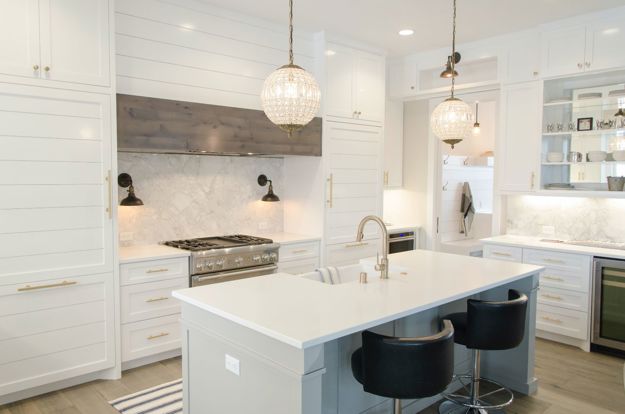
(Image Source: Lian Hin, Quarz Kitchen Top)
What is Quartz?
Quartz is an engineered surface made from quartz and/or other mineral fillers combined with resins, pigments and additives. Its exact composition varies by manufacturer and product range. Quartz is a popular choice for kitchen countertops in Singapore because it offers:
* wide range of colours and patterns;
* uniformity in colour and veining;
* high scratch resistance;
* non-porous surface that does not readily absorb moisture; and
* minimal maintenance.
However, because quartz contains resin binders, it is less suitable for prolonged exposure to direct sunlight or extreme heat, making it a better choice for indoor applications.
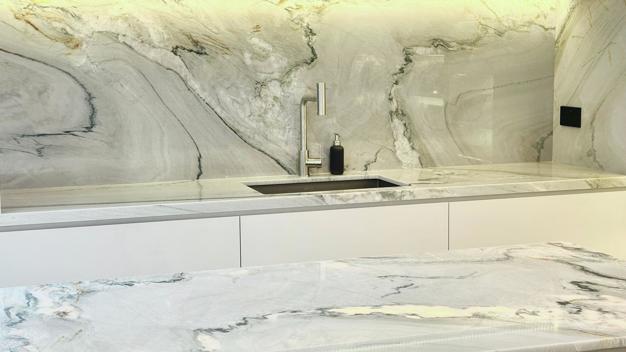
(Image Source: Lian Hin, Quartzite Kitchen Top: Lian Hin)
What is Quartzite?
Quartzite is a natural metamorphic stone formed when sandstone undergoes intense heat and pressure beneath the Earth’s surface over millions of years. True quartzite is exceptionally hard and may be harder than many varieties of natural stones.
Unlike quartz, every quartzite slab is unique, featuring natural veining, movement, and colour variations that cannot be replicated.
Premium quartzite collections such as CANDEO Quartzite combine luxurious aesthetics with exceptional durability, making them increasingly popular among architects, interior designers, and homeowners seeking timeless natural beauty.
Quartzite offers:
* Unique natural patterns
* Exceptional hardness
* High scratch resistance
* High heat resistance
* Long-lasting durability
* Natural elegance
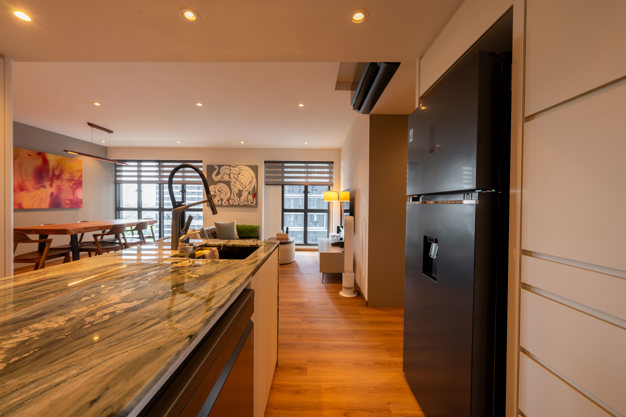
(Image Source: Infinity Home, Quartzite Kitchen Top: Lian Hin)
Can Quartz and Quartzite Be Used Indoors?
Yes—but they perform differently.
Quartz for Interior Applications
Quartz is ideal for:
* Kitchen Countertops
* Kitchen Islands
* Bathroom Vanity Tops
* Commercial Interiors e.g. Workstations
Its non-porous surface makes cleaning simple while providing a sleek, contemporary appearance suitable for modern homes.
Quartzite for Interior Applications
Quartzite is a great choice for:
* Kitchen Countertops
* Kitchen Islands, Especially Waterfall Islands
* Dining Tabletops
* Bathroom Vanity Tops
* Feature Walls
* Commercial Interiors E.g. Reception Counter
Because every slab is naturally unique, quartzite creates a luxurious statement piece that enhances any interior design.
Can Quartz and Quartzite Be Used Outdoors?
This is where the biggest difference lies.
Quartz
Quartz is generally less suitable for exterior applications. The resins used during manufacturing may discolour, fade, or deteriorate after prolonged exposure to UV rays and fluctuating temperatures.
Quartzite
Many quartzites can be suitable for exterior applications, subject to technical assessment and the use of an appropriate installation system. Depending on the characteristics of the particular stone, quartzite can offer good resistance to:
* Tropical sunlight
* Heavy rain
* Temperature fluctuations
* High humidity
* Daily weather exposure
This makes quartzite a good choice for exterior applications like:
* Exterior wall cladding
* Garden feature walls
* Outdoor kitchen countertop
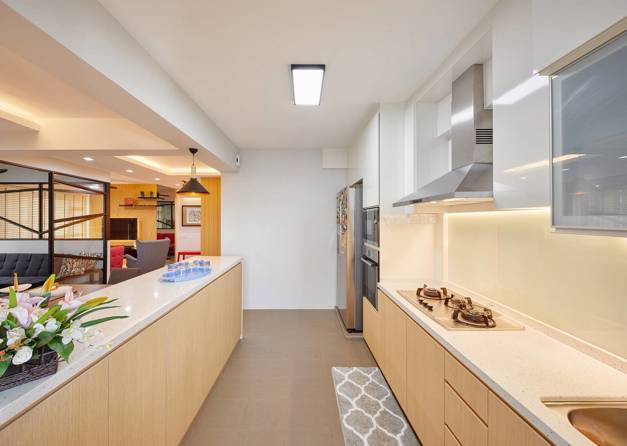
(Image Source: Absolook Interior Design, Quartz Kitchen Top: Lian Hin)
Advantages of Quartz
✔ Wide design selection
✔ Consistent colours and patterns
✔ Stain resistant
✔ Non-porous and does not readily absorb moisture
✔ Easy daily cleaning with minimal maintenance
Considerations
* Patterns may appear less natural than natural stones
* Less resistant to extreme heat than natural stone
* Not ideal for prolonged outdoor exposure
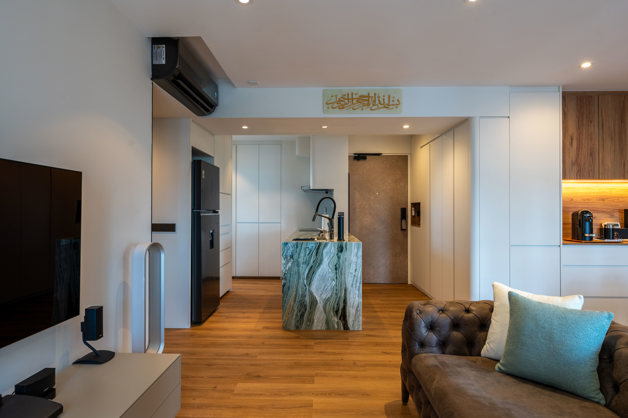 (Image Source: Infinity Home, Quartzite Kitchen Top: Lian Hin)
Advantages of Quartzite
✔ Every slab is one-of-a-kind
✔ Exceptional durability
✔ Superior heat resistance
✔ UV resistant
✔ Suitable for indoor and outdoor applications
Considerations
* Natural variations mean no two slabs are identical
* Typically positioned as a premium surface
* Periodic sealing might be required depending on absorption level, finish and usage
Which Surface Should You Choose?
Choose Quartz if you:
* Prefer a uniform appearance
* Want minimal maintenance
* Need a practical solution for busy kitchens
* Are focusing more on interior applications
Choose Quartzite if you:
* Appreciate the beauty of natural stone
* Prefer a luxurious statement surface
* Value the uniqueness of every slab
* Require superior heat and scratch resistance
* Need a surface that is suitable for both interior and exterior applications
Discover the Beauty of CANDEO Quartzite
At Lian Hin, the CANDEO Quartzite Collection showcases premium natural stone that combines timeless elegance with outstanding performance.
Whether you’re creating a luxurious kitchen island, a striking feature wall, or an exterior architectural façade, CANDEO Quartzite offers the beauty of nature together with the durability required for modern living.
Every slab tells its own story through unique veining, colour movement, and natural textures—ensuring that no two projects are ever the same.
Conclusion
Quartz is an excellent low-maintenance engineered surface that is highly suitable for interior applications, while quartzite stands out as a premium natural stone offering exceptional durability, heat resistance and timeless beauty. Many quartzites can also be suitable for selected exterior applications, subject to technical assessment and installation requirements.
Quartz vs Quartzite: Side by Side Comparison
|
FEATURE |
QUARTZ |
QUARTZITE |
|
Surface Type
|
Engineered Surface |
Natural Stone |
|
Appearance
|
More Uniform in Colour and Patterning |
Unique in Colour and Patterning
|
|
Heat Resistance*
|
Moderate |
High |
|
Scratch Resistance
|
High |
High |
|
UV Resistance
|
Limited |
Generally High |
|
Porosity / Moisture Absorption
|
Non-Porous |
Low to Variable |
|
Indoor Use
|
Suitable |
Suitable |
|
Outdoor Use
|
Generally Less Suitable |
Suitable for Selected Exterior Applications (subject to technical assessment)
|
|
Requires Periodic Sealing
|
Not Required |
May Be Required Depending On Absorption, Finish And Use |
* Note: trivets are still recommended
